


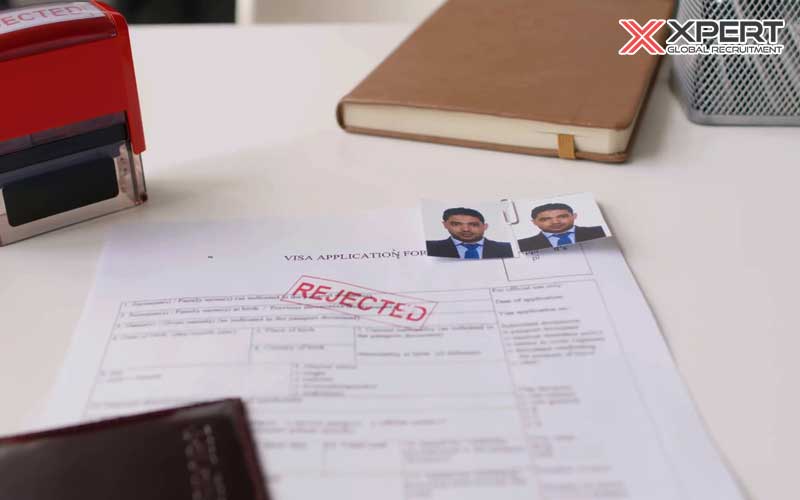
Are you envisioning new opportunities—whether it’s studying abroad, venturing into international markets, or broadening your global reach? Securing the right visa is critical—it’s often considered your key to releasing these possibilities. Yet, navigating the visa application process can sometimes be challenging, and many applicants face setbacks due to avoidable errors. Gaining insight into the common visa rejection reasons is an essential first step in creating a compelling application that meets all the necessary criteria.
The process of obtaining a visa can be detailed, as each country has its own specific requirements. Nonetheless, certain issues consistently increase the risk of rejection across different jurisdictions. By understanding these common pitfalls and preparing accordingly, you can markedly improve your chances of approval.
Let’s explore the primary reasons visas are denied—and, more importantly, learn how to prevent these issues from derailing your application.
The Top 5 Most Common Visa Rejection Reasons
- Missing or Incorrect Documentation:
This remains the leading cause of visa denials. Every application demands a particular set of documents, such as passports, photographs, proof of finances, and invitation letters. Even a single overlooked document or a form filled out incorrectly can compromise your entire application process.
How to Prevent: Carefully examine the official checklist issued by the embassy or consulate. Verify all forms for accuracy and completeness. Do not assume anything—if a document isn’t explicitly listed but could support your case, include it with a clear explanation. Keep your documents organized in the order specified by the checklist for easy review.
- Lack of Sufficient Funds or Proof of Financial Stability:
One of the most common visa rejection reasons is the lack of proof of financial stability. Visa officers want to see proof that you possess the means to support yourself during your stay, covering expenses like accommodation, daily needs, and travel costs. Evidence of financial reliability reassures them that you won’t depend on public resources or work without authorization.
How to Prevent: Present current bank statements, salary slips, and any other relevant financial documents. If someone is sponsoring your trip, include their financial statements and a sponsorship letter. Ensure the funds are accessible and have been steadily maintained in your account—sudden large deposits or recent account activity can raise questions.
- Insufficient Ties to Your Home Country:
Many countries are cautious about applicants who might overstay or remain unlawfully. To mitigate this concern, you must demonstrate strong reasons to return home, such as property ownership, family commitments, employment, or ongoing studies. Addressing this is among the most common reasons for visa refusal.
How to Avoid Visa Rejection: Submit evidence like property deeds, marriage or birth certificates, employment letters stating your position and intended return date, and enrollment confirmation. The more solid your ties to your home country, the better your chances. Consider what personal or professional aspects anchor you to your homeland.
- Misrepresentation or False Information:
Providing false information, fabricating documents, or withholding crucial details is a grave mistake that will almost certainly lead to a visa rejection and can even result in a ban from applying for visas to that country in the future. Honesty is always the best policy.
How to Avoid: Be completely truthful and transparent in your application. If there are any complexities in your past, such as previous visa refusals or a criminal record, disclose them upfront. Sometimes, an explanation can mitigate a past issue, whereas concealment will only worsen it. Always cross-reference all information provided across different documents.
- Previous Visa Violations or Overstays:
If you have a history of overstaying a previous visa, violating visa conditions (e.g., working on a tourist visa), or being deported, your chances of getting another visa to that or other countries are significantly diminished.
How to Avoid: Always adhere strictly to the terms of your visa. If you need to extend your stay, apply for an extension well in advance and follow the proper procedures. If you have a past violation, be upfront about it, explain the circumstances, and provide evidence that you have since rectified the situation and learned from the experience.
Looking Ahead: Visa Rejection Reasons 2025
While the core common visa rejection reasons tend to remain consistent, certain trends and global events can influence visa policies. For visa rejection reasons 2025, expect continued scrutiny on financial stability given global economic fluctuations. Security concerns will likely keep identity verification and background checks thorough. Digitalization of processes may lead to new types of errors related to online submissions, so paying close attention to technical requirements will be crucial. Furthermore, countries are increasingly looking for clear, unambiguous intent from applicants – ensuring your purpose of visit aligns perfectly with the visa type you’re applying for.
Tips to Prevent Visa Rejection
Beyond addressing the specific issues above, here are some overarching tips to prevent visa rejection:
- Apply Early
- Understand Your Visa Type
- Write a Compelling Cover Letter
- Preparing for the Interview
- Seek Professional Advice
- Proofread Everything
- Demonstrate Clear Intent
The Impact of a Visa Rejection
The most common visa refusal reasons can be disheartening, but it’s not always the end of the road. Understanding why your application was refused is paramount. Often, the refusal letter will state the reason. Use this feedback to strengthen your next application. For example, if it was due to insufficient funds, gather more robust financial proof. If it was due to a lack of ties, compile more evidence of your commitments at home.
In conclusion, while the prospect of a visa rejection can be daunting, a thorough understanding of the common visa rejection reasons empowers you to prepare a robust and compelling application. By meticulously gathering your documents, demonstrating financial stability, proving strong ties to your home country, and being completely honest, you significantly enhance your chances of a positive outcome. Remember, preparation and attention to detail are your best ways to secure your visa and embark on your desired journey.
Let’s unlock your dreams to travel around different countries and find out your visa refusal and rejection together.

